

Do you still use single-use bags and plastic wraps today in your kitchen for storing food and leftovers? So if you’re looking to cut plastic out of your everyday food storage, why not have a look around your kitchen today to see what’s actually worth swapping out? I’ve discovered so many great eco-friendly kitchen swaps over the years for food storage. They’re plastic-free, reusable and just so much nicer to use!
Why Swap at All?
The issue with plastic food storage goes beyond its visual appeal. Plastics labelled “Bap-free” may still contain phthalates and other chemicals that disrupt hormones. Plastic containers also contain microplastics, which get into food when they are washed, microwaved, and scratched repeatedly. In addition to the obvious health risks, single-use plastics such as food packaging, snack bags, and produce bags end up in landfills or rivers for generations after their initial use. This post in no way mandates that we throw out all plastic immediately. You can sort the alternatives below according to your cooking habits and the amount of plastic and trash they remove per dollar spent.
What to Look For When Swapping
Material honesty: “Eco-friendly” plastic alternatives (silicone, glass, and stainless steel) still have drawbacks. Silicone is a synthetic polymer, not literally plastic-free, but it’s inert, doesn’t leach, and usually lasts for years instead of months.
Actual daily use case: A $60 glass container set is a poor swap if you never remember to use it. Learn to match the product to what you actually use it for.
Care requirements: Beeswax wraps need hand-washing and periodic re-waxing; bread bags need occasional laundering. If you won’t maintain it, it won’t last.
Certifications and materials disclosure: Look for FDA food-grade or platinum-cure silicone, lead-free glazes on ceramics, and 18/8 (food-grade) stainless steel.
10 Plastic-Free Food Storage Swaps for Your Kitchen
1. Plastic Tupperware → Glass Food Storage Containers
Use these for leftovers, meal prep, fridge and freezer storage.
Pyrex Simply Store Glass Food Storage Containers, 3-Pack (2, 4, 7 Cup)
Buy On Amazon
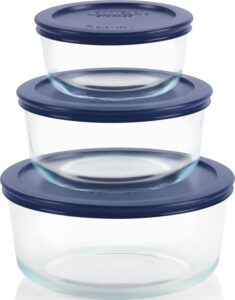
Pros: Tempered glass resists stains, odours, and scratching; goes from freezer to microwave to dishwasher; American-made glass base; widely available replacement lids if one cracks.
Cons: Lids are still Bap-free plastic, not glass; heavier and more breakable than plastic for travel or kids’ lunches; doesn’t nest as compactly as some competitors.
2. Ziploc Bags → Reusable Silicone Storage Bags
Swap for: Sandwiches, snacks, freezer storage, sous vide, marinating.
Stasher Silicone Reusable Food Storage Bags, 4-Pack:
Buy on Amazon
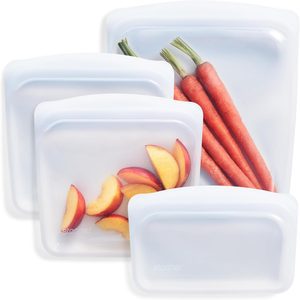
Pros: Lead, latex, phthalate, BPA, and BPS-free platinum food-grade silicone; dishwasher, microwave, and oven safe up to 425°F; one bag replaces about 260 single-use plastic bags a year according to the brand; lifetime warranty.
Cons: upfront cost is more than a box of plastic bags. The Pinch-Loc seal isn’t quite as airtight as a real freezer bag for very liquidy contents.
3. Plastic Cling Wrap → Reusable Beeswax Food Wraps
Swap for: Covering bowls, wrapping cheese, half a lemon or onion, sandwiches.
Bee’s Wrap Reusable Beeswax Food Wraps, 7-Piece Variety Pack
Buy on Amazon
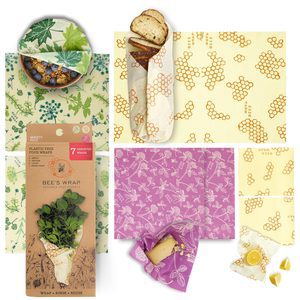
Pros: Made from organic cotton, beeswax, tree resin, and plant oil; genuinely compostable at end of life; molds to bowls and food with hand warmth; a range of sizes in one pack, including a dedicated bread wrap.
Cons: Not suitable for raw meat or very hot food; loses grip and needs replacing (or re-waxing) after about a year of regular use; requires hand-washing in cool water, not the dishwasher.
4. Plastic Bento/Lunch Containers → Stainless Steel Lunch Containers
Swap for: packed lunches, sandwiches, wraps, and meal prep on the go.
LunchBots Trio Stainless Steel Food Container
Buy on Amazon
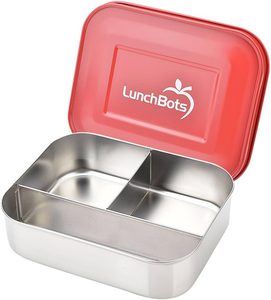
Pros: The 18/8 food-grade stainless steel base is entirely plastic and Bap-free; it won’t stain, retain odours, or leach. Three compartments mean you don’t need a bunch of little containers. The base is dishwasher safe and built to last for years, not seasons.
Cons: The coloured lid is not watertight, so it’s only meant for dry foods, not soups or dressings; you have to hand-wash the lid; it is heavier than a comparable plastic bento box.
5. Plastic Pantry Bins → Glass Mason Jars
Swap for: Bulk pantry goods, grains, beans, leftovers, overnight oats, and fermenting.
Ball Wide Mouth Glass Mason Jars with Lids and Bands (24-Jar Mixed Set)
Buy on Amazon
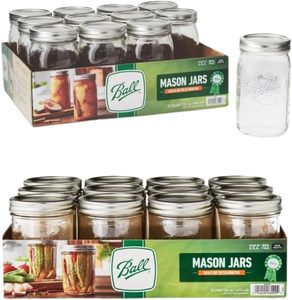
Pros: Inert glass does not absorb odours or stain from tomato sauce, turmeric, etc. Wide mouth makes filling and scooping easy. Doubles as canning, fermenting, and drinkware. Extremely durable metal lids and bands are recyclable at end of life.
Cons: Breakable if dropped (unlike plastic bins); heavier for pantry shelves with a lot of moving around; metal lids can rust over time if stored wet, and aren’t airtight for long-term dry storage without checking the gasket.
6. Plastic Wrap Over Bowls → Silicone Stretch Lids
Swap for: covering bowls, cans, cut produce, leftover pots.
Webake Silicone Stretch Lids, 10-Pack (Regular and Wide Mouth)
Buy on Amazon
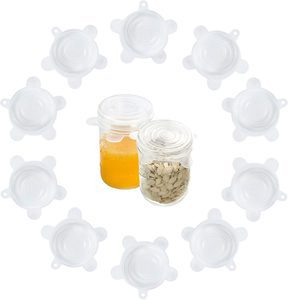
Pros: Fits odd-shaped bowls, jars and cans that hard lids can’t; reusable for years instead of one use per sheet of cling wrap; dishwasher-safe and freezer-safe.
Cons: A solid lid on a matching container provides a tighter seal; silicone can absorb strong odours (garlic, curry) over time; and smaller sizes may challenge stretching over larger bowls.
7. Plastic Produce Bags → Organic Cotton Mesh Produce Bags
Swap for: grocery store and farmers’ market produce, and bulk bin shopping.
ECOBAGS 100% Organic Cotton Reusable Mesh Drawstring Produce Bags, Set of 3 (Pack of 2)
Buy on Amazon
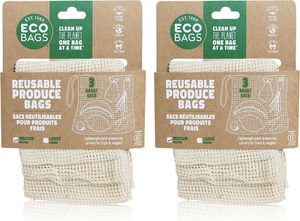
Pros: Made from GOTS-certified organic cotton and SA8000 certified for ethical manufacturing; fully biodegradable and industrial compostable at end of life; from a women-owned, certified B Corp company; machine washable.
Cons: It doesn’t keep leafy greens as crisp as a sealed plastic bag in the fridge. Some grocery store scales require you to manually tare the bag to account for its weight. The mesh isn’t ideal for tiny items like berries that can fall through.
8. Plastic Wrap on Cut Produce → Silicone Food Huggers
Swap for: Half an onion, avocado, lemon, tomato, or opened canned goods.
Food Huggers 5-Piece Reusable Silicone Food Savers
Buy on Amazon
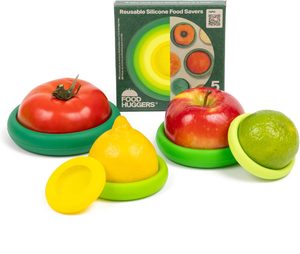
Pros: Five sizes fit most cut produce and can openings without having to buy several products; Bap-free and dishwasher safe; truly reusable for years, not a new sheet of plastic wrap every time; small enough to keep in a drawer.
Cons: Does not create a fully airtight seal like plastic wrap pressed directly on cut flesh, so cut produce may still brown a bit faster. Sizing is approximate, not exact, so very oddly shaped produce may not get full coverage.
9. Plastic Bread Bags → Reusable Cotton Bread Bags
Swap for: Homemade or bakery bread, sourdough, baguettes.
Leafico Reusable Bread Bags – 2 Cotton Storage Bags + 1 Baguette Bag
Buy on Amazon
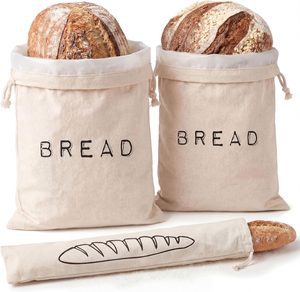
Pros: Food-safe TPU liner keeps food moist better than a paper bag. Cotton exterior stays breathable, so less chance of mould than sealed plastic. Freezer-safe. Replace thin plastic bags bakeries/grocery stores use.
Cons: Requires periodic washing to maintain its freshness of smell; it won’t keep bread as crisp-crusted as an open paper bag for short-term counter storage; the baguette bag is shaped for one form and won’t flex to hold a round loaf.
10. Small Plastic Snack Bags/Cups → Stainless Steel Snack Containers
Swap for: Kids’ snacks, on-the-go portions, dips, cut fruit.
LunchBots Rounds Stainless Steel Leak Proof Food Containers, Set of 2
Buy on Amazon
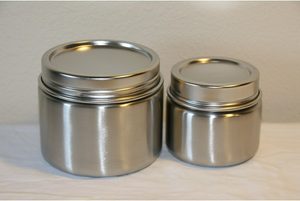
Pros: Leak-proof unlike the Trio above, so can do yoghurt, applesauce and dips, not just dry snacks. Highest quality 18/8 stainless steel base. Small 3”x3” size is truly pocket or lunchbox-portable. Dishwasher safe.
Cons: 8 fl oz each, so not a full-meal solution. Two containers per pack, so you might need a few for a family. Stainless steel can dent if dropped hard, unlike flexible plastic.
FAQ
Is silicone actually plastic-free?
Silicone is a synthetic polymer made from silica (sand), not petroleum, unlike conventional plastic. Food-grade silicone is inert, doesn’t leach like many plastics, and can withstand high heat, making it a safer alternative. Although it’s not “plastic,” it’s a category of its own and is included in most zero-waste guides due to its durability and safety.
Are glass containers safe to put in the freezer?
Tempered glass that is food safe (like Pyrex) can go in the freezer, but you always want to leave some headspace for expansion and avoid drastic temperature changes (like taking a bowl right from a hot dishwasher cycle and putting it in the freezer; this can cause thermal shock and cracking).
How do I stop stainless steel containers from smelling like whatever I stored last?
While stainless steel resists odours better than plastic, soaking it in warm water with a spoonful of baking soda usually eliminates any lingering smells. When acidic or strongly spiced foods are sealed for several days, the lid gasket may stain or smell. When acidic or strongly spiced foods are sealed for several days, the lid gasket may stain or smell.
Is it worth switching everything at once?
You don’t have to change everything all at once. A real-life strategy is to switch over gradually as things wear out, for example, upgrading to a glass container when a plastic one warps in the dishwasher or switching to beeswax wrap once your roll of cling wrap runs out. By replacing items as necessary, you can avoid throwing away perfectly usable plastic and adding unnecessarily to landfill waste.
Can I put reusable produce bags and bread bags in the washing machine?
Check the care instructions from the manufacturer but most produce and bread bags made of cotton mesh can be safely machine washed on a gentle cycle. Some products, especially bread bags with a TPU (plastic) liner to control moisture, may need to be hand washed or washed on low heat to avoid damaging the protective liner.
