

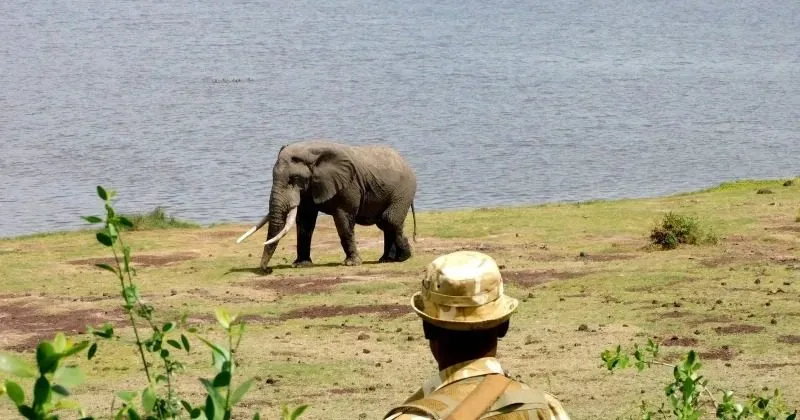
The Kenya Veterinary Association (KVA) has urged the government to launch a multi-agency investigation into the suspected cyanide poisoning that killed 15 elephants in the Amboseli ecosystem, warning that the incident could have implications beyond wildlife conservation and expose potential risks to Kenya’s food supply.
KVA President Kelvin Osore emphasized that the deaths prompt essential inquiries regarding food safety, public health, and chemical regulation, urging for open investigations to pinpoint the precise origin of the cyanide.
“If it is confirmed that the tomatoes are the source of the cyanide, we must consider the significant public health implications of this event,” he stated.
“The public needs immediate, data-backed assurance, not empty words, that cyanide-laced produce is not circulating in local supply chains.”
Last week the Kenya Wildlife Service (KWS) said 15 elephants had died between June 24 and July 24 and preliminary laboratory tests on the carcasses indicated they had been poisoned by cyanide.
The animals are suspected to have eaten tomatoes sprayed with the toxic substance in farms around Kimana Sanctuary and Kuku Group Ranch areas, KWS said.
Although KWS has pointed to pesticide-sprayed tomatoes as the likely source, KVA has called for investigators to examine all possible scenarios, including reports circulating on social media alleging the cyanide may have originated from illegal gold mining operations.
