

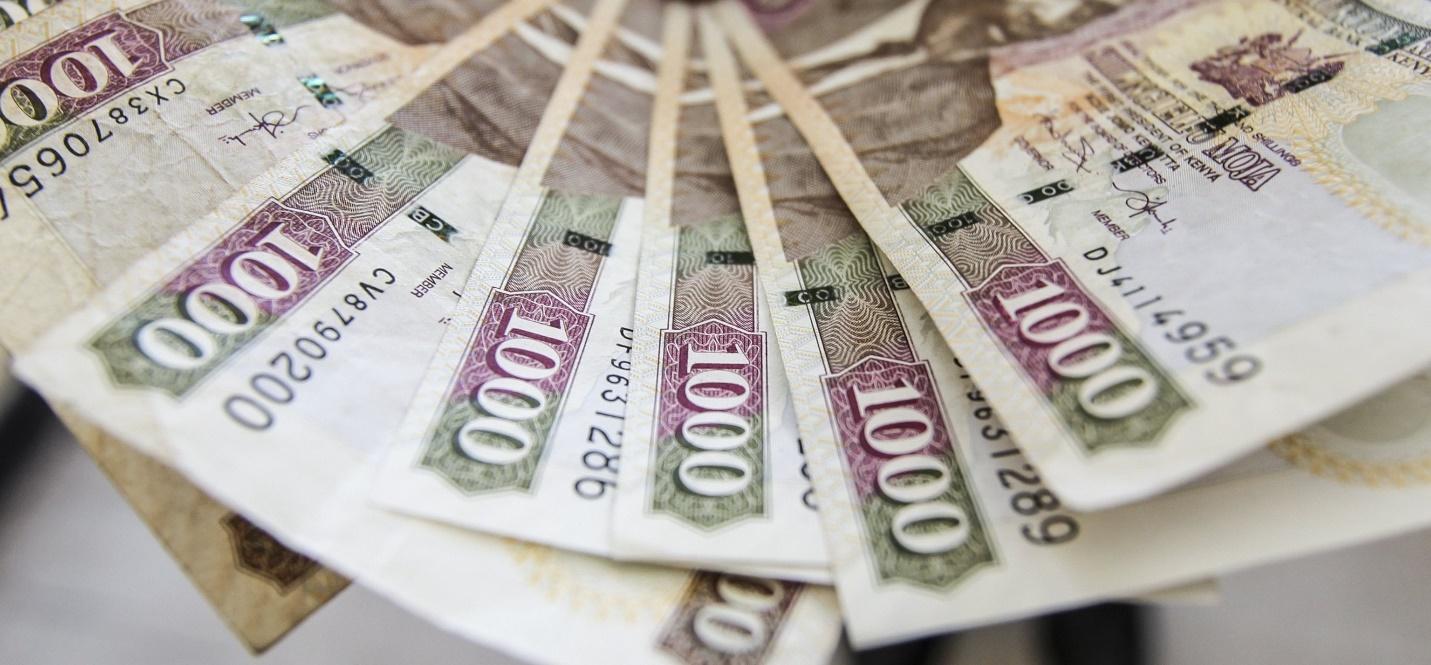
For the first time in 10 months, the Kenyan shilling strengthened from 100ksh to $1 to 99ksh to the dollar. This has yielded benefits for consumers in the cost of goods and services. Exporters will unfortunately, get less earnings from their sales.
The psychological 100 units mark to the dollar was surpassed during Thursday’s trading. Banks were bidding for the Kenyan shilling at an average of 99,85 units against the average asking price of around 100.15 units to the dollar. This was kept afloat by the continued heavy inflow of foreign exchange, which was outweighing demand.
This move below the 100ksh mark comes after consecutive and sustained gains against the dollar in the past two weeks, with the help of tightened liquidity in the market.
The Commercial Bank of Africa in a note on the currency said the Dollar supply is outpacing foreign currency demand, leaving the shilling on the front foot.
The shilling has also gained against the euro, exchanging at about 113.88ksh, below the 114 mark for the first time since May 2017.
The impact of the strengthened shilling in Kenya which is predominantly an importing country, will most likely be felt across the country’s economy in the form of either stable or lower price of machinery, medicine, fuel and vehicles.
The stronger Kenyan shilling, is also good news for importers who are now spending fewer shillings to buy US dollars needed to pay for goods outside the country.

What This Means for Local exporters
The depreciation or weakening of the currencies of key export markets including Uganda, Tanzania, Pakistan and Egypt against the dollar this year has further affected their ability to afford Kenyan goods. This is a major disadvantage for local exporters.
The Chief Executive of the Kenya Association of Manufacturers Phyllis Wakiaga said “When we have a strong shilling, it affects our foreign earnings since we earn less per unit on exports. It also affects our balance of payments’ current account as we are likely to experience an avalanche of finished imports as a result of being cheaper as opposed to when the shilling is weak.”
“On the other hand, a strong shilling in the short to medium term would improve on the cost of importing industrial machinery and raw materials, especially for sectors that exhaust their manufactured goods in the local market.”
The stronger shilling against the global currencies means that the local importers are earning less. They will however, get some relief since their import costs are in dollars and the pound is gaining against the shilling.

What This Means for The Flower sector
The bulk of Kenya’s flower sales are in Europe, meaning that payments are made in dollars as well as euros and British pounds. Kenya Flower Council chief executive Clement Tulezi Thursday said the sector enjoys a boost in earnings when the shilling weakens against the three currencies, and vice versa.
Clement Tulezi, also said that they hope the current round of appreciation will not have a big impact if sales volumes keep growing like was the case last year when horticulture earnings rose by 33 percent to Sh153 billion.
“The effect will not be as big… we can still rely on our better networks in the market compared to competitors like Ethiopia to help us keep growing,” said Mr Tulezi.
