

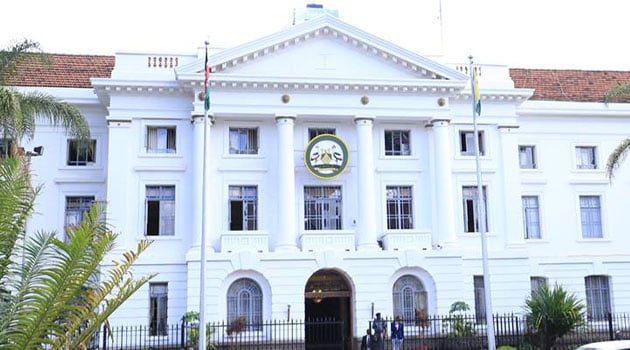
Nairobi City County has been ranked the country’s worst-performing county in managing pending bills, with the Parliamentary Budget Office (PBO) warning that its growing debt burden points to weaknesses in budget execution and financial management.
The findings come from the County Fiscal Performance Measurement Index (CFPMI), which assessed all 47 counties using seven indicators: budget implementation, development expenditure, own-source revenue, wage expenditure, pending obligations, county assembly expenditure ceilings, and audit outcomes.
The report said Nairobi was the poorest-performing county in the management of pending obligations in both the 2023/24 and 2024/25 financial years, scoring a CFPMI of virtually zero, which earned the county an “E” grade.
The report states that “Nairobi City County has pending bills that far exceed three times its total annual revenue, making it the most extreme case of fiscal insolvency among all counties.”
The PBO said pending bills in the county may affect service delivery and payments to suppliers and contractors.
“Such a situation implies a backlog of unpaid bills that could paralyze service delivery, discourage suppliers from future contracts, and undermine public trust in governance,” the report says.
The report attributed the high level of arrears to weaknesses in budget execution and debt management. More than 40 percent of all pending bills owed by county governments are accounted for by Nairobi.
The report found no improvement in Nairobi’s fiscal performance in 2024/25, with the county retaining a CFPMI score of 0.000 and an “E” grade.
The findings come amid rising concerns over the size of pending bills in counties. The Controller of Budget’s Annual County Governments Budget Implementation Review Report for the 2024/25 financial year showed that total county pending bills fell to Sh176.8 billion from Sh182.46 billion in the previous financial year.
Nairobi had the highest stock of pending bills at Sh86.77 billion, or nearly half of all outstanding county arrears. The bills were largely owed to suppliers, contractors, and other service providers.
Nationally, the PBO report found that counties continue to struggle with pending obligations despite improvements in some areas of public financial management.
The average score for managing pending bills remained at about 0.34 in 2024/25, with 97.8 percent of counties falling within the lower performance grades.
The report attributed the weak performance to challenges in expenditure control, cash-flow management, and clearing arrears and called for stronger commitment controls, verification of pending bills, and prioritisation of payments.
This version removes the promotional/interpretive language and keeps the story centred on the PBO findings, figures, and implications.
