

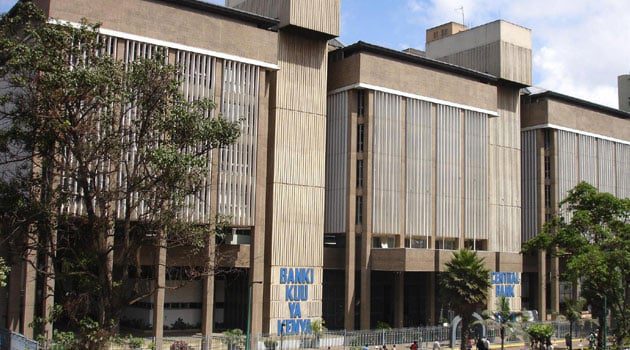
Kenya’s foreign exchange reserves declined by an estimated Sh40.6 billion during the week ending July 23, reducing the country’s import cover from 6 months to 5.9 months, according to the latest Central Bank of Kenya (CBK) Weekly Bulletin.
The reserves stood at approximately Sh1.79 trillion ($13.854 billion) as of July 23, down from about Sh1.83 trillion ($14.169 billion) recorded a week earlier, representing a weekly decline of roughly Sh40.6 billion ($315 million).
Despite the decline, the reserves remain comfortably above the statutory requirement to maintain at least four months of import cover.
Foreign exchange reserves are a key measure of a country’s ability to finance imports, meet external debt obligations and cushion the economy against external shocks.
They also enable the Central Bank to support orderly functioning of the foreign exchange market when necessary.
The latest figures mark the first weekly decline after nearly a month of steady growth. CBK data shows the reserves increased from approximately Sh1.71 trillion ($13.173 billion) on June 25 to about Sh1.82 trillion ($14.047 billion) on July 2, before rising further to Sh1.83 trillion ($14.127 billion) on July 9 and Sh1.83 trillion ($14.169 billion) on July 16.
The CBK also reported that the Kenyan shilling remained broadly stable during the review period, exchanging at Sh129.53 to the US dollar on July 23 compared to Sh129.34 a week earlier.
The National Treasury, in its 2026 Budget Policy Statement, projects that Kenya’s foreign exchange reserves will remain above the statutory threshold over the medium term, supported by sustained foreign exchange inflows and prudent macroeconomic management.
The Treasury says maintaining adequate reserves is critical in safeguarding the country’s ability to finance imports and absorb external economic shocks.
Earlier this month, CBK Governor Kamau Thugge said Kenya’s reserve position is expected to strengthen further following the receipt of proceeds from the government’s 15 percent Safaricom share sale, additional World Bank financing and inflows related to the Kenya Pipeline Company transaction.
Speaking during the 23rd East African Banking School Conference, Thugge said the anticipated inflows could lift the country’s reserves to the equivalent of about seven months of import cover, further strengthening Kenya’s external position.
However, the latest CBK Weekly Bulletin indicates those anticipated inflows had not yet been reflected in the country’s reserve position as of July 23, with the reserves standing at Sh1.79 trillion (USD 13.854 billion) and import cover at 5.9 months.
