
KCB Group targets raising Sh100 billion by October 2026 as the first tranche of a five-year Sh300 billion medium-term note (MTN) programme, setting the stage for a significantly large capital mobilisation initiative if approved by regulators.
MTN is a debt instrument that corporations and financial institutions use to raise capital. It usually matures in five to 10 years, providing a middle ground between short- and long-term debt.
KCB is expected to list the first tranche in November, which would raise the value of issued and outstanding corporate bonds at the Nairobi Securities Exchange (NSE) to about Sh205.3 billion.
The Sh300 billion programme is the largest corporate debt programme announced in Kenya, although KCB executives say the size is achievable given the potential to raise funds in both local and foreign currencies.
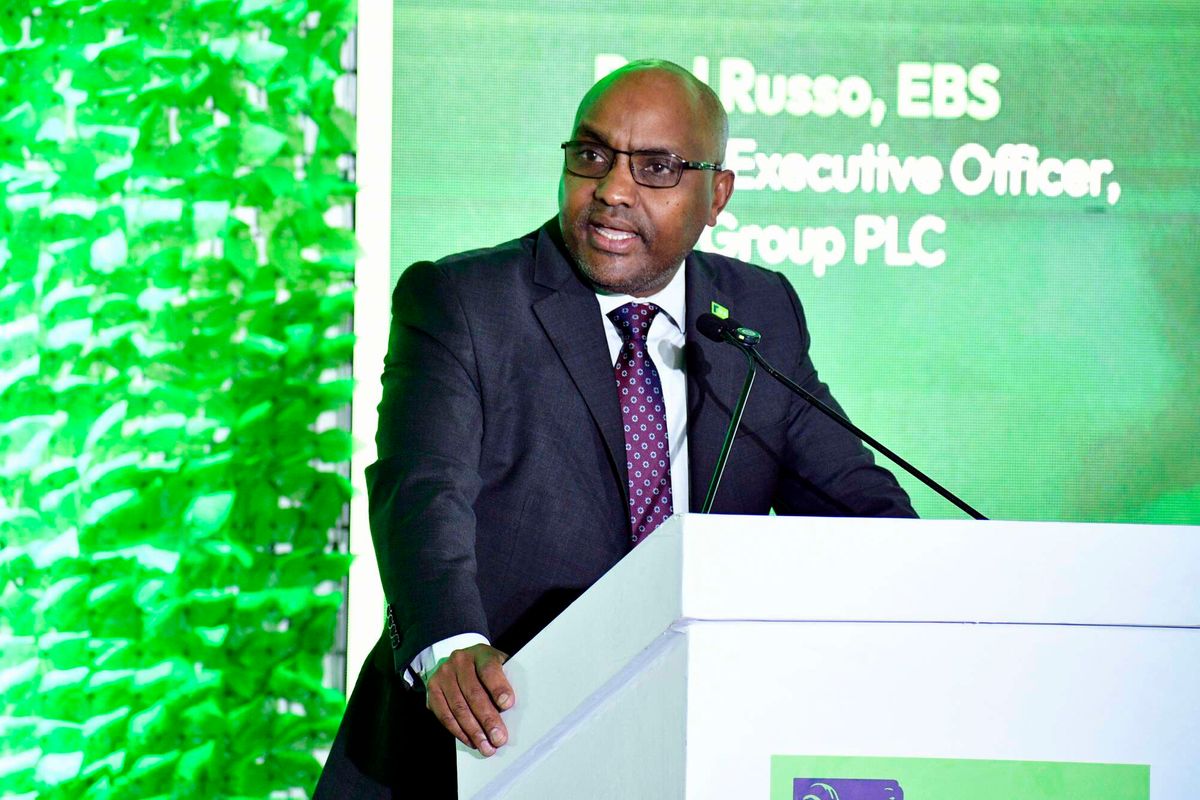
Paul Russo, the chief executive officer of KCB Group, dismissed suggestions that the programme was too ambitious.
“I actually think Sh300 billion is not ambitious,” he said on Wednesday when the lender launched a sustainability bond framework.
“The moment you start splitting local currency and foreign currency, you start to realise why the Sh300 billion is actually rational,” he said.
KCB Investment Bank Managing Director, Maurice Opiyo said the plan is to issue the note in both Kenyan shilling and US dollar denominations with the split of the currency being in either 50:50 or 60:40 but the final structure will depend on market conditions.
KCB plans to issue green, blue and sustainability bonds as part of the fundraiser programme, with proceeds targeted at projects and activities that have environmental and social benefits.
“The launch of the sustainability bond framework is a natural progression of the work the group has been doing over the last two decades to structure innovative financing solutions and support investments that have a meaningful economic and social impact. This is about bringing capital, purpose and accountability and using finance as a force for good while creating sustainable value for all our stakeholders,” Mr Russo said.
Under the green bond category, eligible projects include renewable energy, energy efficiency, green buildings, clean transportation, sustainable forestry, waste management and sustainable water-related projects. Renewable-energy investments can include solar, wind, hydro and qualifying geothermal projects.
The blue bond category will finance projects supporting the sustainable use of marine and freshwater resources. These include sustainable fisheries and aquaculture, low-emission maritime transport, water-quality monitoring and related infrastructure.
The sustainability bond category combines eligible green and social projects, allowing KCB to direct funds towards both environmental and social priorities.
Among the social projects targeted is affordable housing, which includes financing aligned with the Affordable Housing Programme, developer loans for green-certified affordable housing, and concessional refinancing through Kenya Mortgage Refinance Company (KMRC). The framework also targets micro, small and medium enterprises led by women and youth.
The framework comes as demand for corporate debt has strengthened following several successful issues.
Safaricom’s green bond attracted bids worth Sh41 billion against a Sh15 billion target, while KMRC’s sustainability-linked bond received bids of about Sh9 billion against a Sh3 billion target.
The renewed activity follows years of weak corporate bond issuance after the collapse of Chase Bank and Imperial Bank, whose defaults badly damaged investor confidence in the asset class.
KCB says its latest initiative builds on its existing green-financing activities. The bank has disbursed more than Sh187 billion in green loans since 2022, including Sh48.8 billion last year to projects covering renewable energy, sustainable agriculture, green buildings, clean transportation, water management and climate-smart investments.
