
Stringent certification requirements are locking many small businesses out of lucrative government tenders, denying startups an opportunity to grow despite their role in creating jobs, an expert has said.
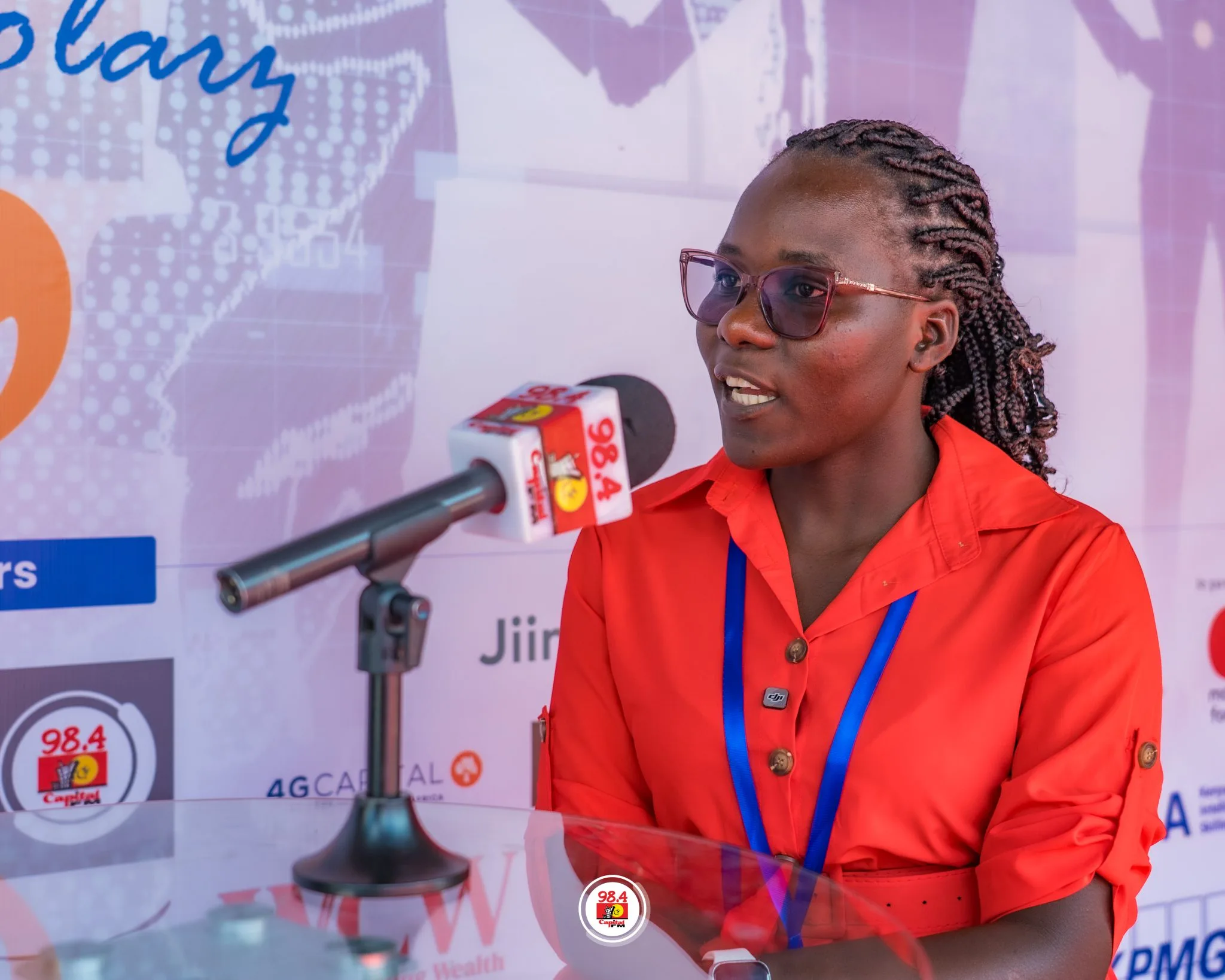
“It is relatively easy to register a business in Kenya but the real challenge comes in when young businesses try to bid for public tenders,” SME expert and founder of Linkaya Cleaning Services Linda Eronjo told Capital Business.
According to Eronjo, many government tenders require businesses to produce several years of financial records, operational experience, and compliance certifications that startups are often unable to obtain in their early years.
“The challenge is when you’re applying for tenders because there are a lot of certifications required.
“Many startups miss opportunities because established companies already meet those requirements.”
She said the procurement system inadvertently favours established companies and that new companies are left with little opportunity to compete for government business even when they are able to deliver.
The entrepreneur said the challenge extends beyond procurement, noting that the same requirements often limit access to financing because banks also rely on audited financial statements and proven trading histories before extending credit.
“You have a story, but for them they need data.”
“They need bank statements and a business history before they can consider giving you capital.”
Eronjo, who started working as a cleaner in 2019 before formally establishing Linkaya Cleaning Services in 2022, said access to finance remains one of the biggest hurdles facing startups seeking to expand their operations.
She called for closer collaboration between the government, financial institutions, and business associations to create pathways that would allow promising SMEs to qualify for financing and eventually compete for public procurement opportunities.
According to Eronjo, her company currently employs about 30 cleaners while remitting statutory deductions, demonstrating the role SMEs can play in employment creation if given room to grow.
She urged the government to work more closely with business associations such as the Kenya Private Sector Alliance (KEPSA), saying they could help verify and mentor SMEs seeking to participate in public procurement.
Eronjo said business associations already provide networking opportunities that have enabled young enterprises like hers to secure private-sector contracts based on their ability to deliver rather than the number of compliance certificates they hold.
Eronjo proposed that accredited business associations could play a greater role in preparing SMEs for government procurement through mentorship, training, and verification mechanisms that would help bridge the gap between startups and established firms.
The Public Procurement and Asset Disposal framework reserves a share of government procurement opportunities for youth, women, and persons with disabilities through the Access to Government Procurement Opportunities (AGPO) programme.
However, entrepreneurs continue to argue that compliance requirements and qualification thresholds remain a significant hurdle for many young businesses seeking to participate in public tenders.
